
What is a Colonoscopy?
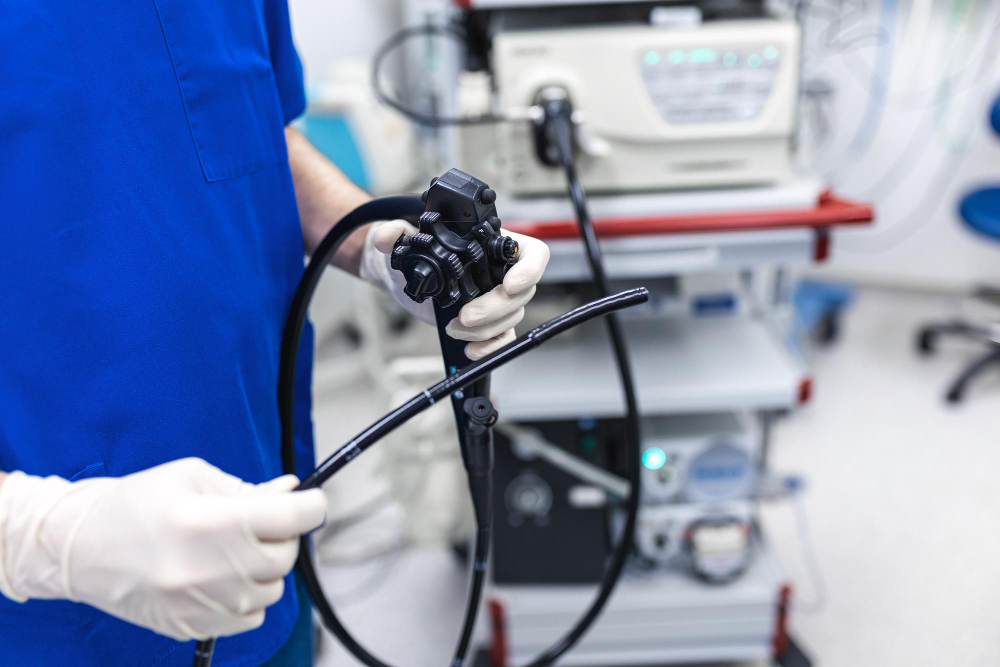
A colonoscopy is a medical test that checks the inside of your large intestine, also called the colon. During this procedure, a doctor uses a thin, flexible tube with a camera to look for problems. Because colonoscopy helps find early signs of colon cancer, it is a very important screening tool. The test can also find other issues, such as polyps or inflammation. According to the CDC, colonoscopy is safe and effective for most people.
Why is Colonoscopy Important?
Colonoscopy offers many benefits. First, it can help find colon cancer early, when it is easier to treat. Second, it can remove small growths called polyps before they turn into cancer. Third, it helps doctors find the cause of symptoms like bleeding or pain. For these reasons, colonoscopy is a key part of staying healthy as you age. The World Health Organization recommends regular screening for people over 50 or those with risk factors.
Symptoms and Signs Indicating a Need for Colonoscopy
Sometimes, your doctor may suggest a colonoscopy if you have certain symptoms. Common signs that may lead to this test include:
If you notice any of these symptoms, talk to your doctor. Early testing can help find problems sooner.
How to Prepare for a Colonoscopy
Proper colonoscopy preparation is important for a clear view during the test. Usually, your doctor will give you detailed instructions. However, most people need to follow these steps:
Because preparation can feel challenging, ask your doctor if you have questions. Following the instructions closely helps ensure a successful colonoscopy procedure.
What Happens During the Procedure?
On the day of your colonoscopy, you will go to a clinic or hospital. First, you will change into a gown. Next, the doctor will give you medicine to help you relax or sleep. During the test, you will lie on your side. The doctor gently inserts the colonoscope into your rectum and guides it through your colon. The camera sends images to a screen, so the doctor can look for any problems. If needed, the doctor may remove polyps or take small tissue samples. Most colonoscopies take about 30 to 60 minutes. Because of the medicine, you may not remember much about the test.
Recovery and Aftercare
After the colonoscopy, you will rest until the medicine wears off. Most people feel sleepy or a bit bloated for a few hours. You should not drive or return to work right away. Instead, plan to relax for the rest of the day. You can usually eat your normal foods once you feel ready. If the doctor removed polyps, you may need to avoid heavy exercise for a short time. Always follow your doctor’s advice for aftercare. If you have severe pain, fever, or heavy bleeding, contact your doctor right away.
Risks and Complications
Colonoscopy is safe for most people. However, like any medical test, it has some risks. Possible complications include:
These problems are rare. Still, it is important to know the signs of trouble. If you have ongoing pain, fever, or heavy bleeding after your colonoscopy, seek medical help right away. The CDC notes that the benefits of colonoscopy usually outweigh the risks for most people.
Frequently Asked Questions
Conclusion and Next Steps
In summary, colonoscopy is a safe and helpful test for finding colon problems early. It can save lives by catching cancer before it spreads. If your doctor recommends a colonoscopy, follow the preparation steps and ask questions if you are unsure. For personalized guidance about colonoscopy, consult a specialist today.