
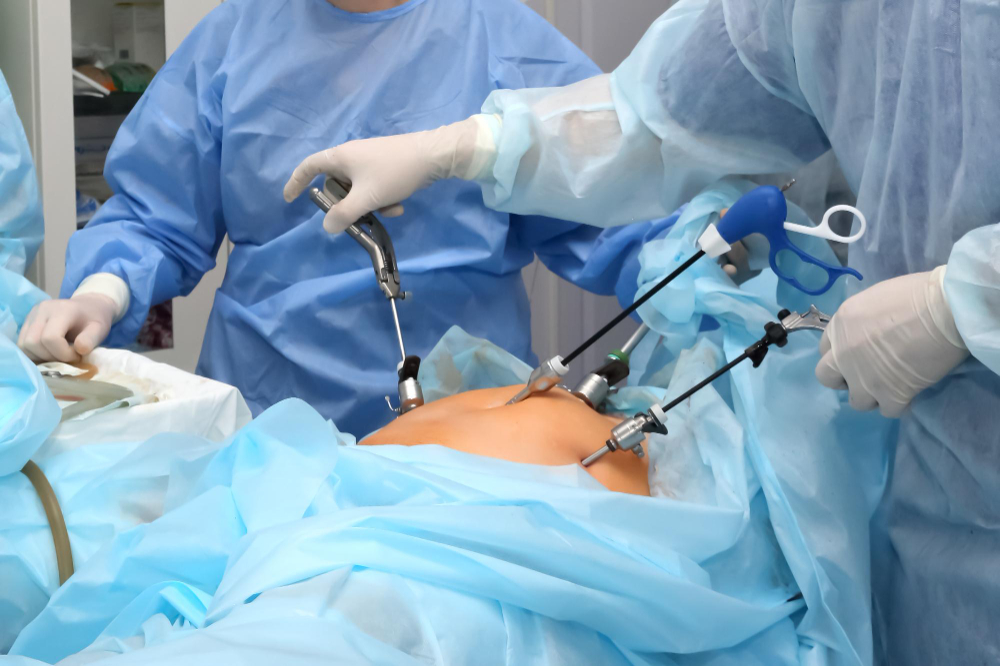
Laparoscopic pancreatectomy is a minimally invasive pancreas surgery. Doctors use it to remove part or all of the pancreas. This procedure helps treat conditions like pancreatic tumors or cysts. Unlike open surgery, laparoscopic pancreatectomy uses small cuts and a camera. As a result, patients often recover faster and have less pain. In this blog, you will learn about the procedure, its benefits, risks, and recovery tips. If you are considering laparoscopic pancreatectomy, this guide will help you understand what to expect.
What Is Laparoscopic Pancreatectomy?
Laparoscopic pancreatectomy is a type of surgery. Surgeons remove part or all of the pancreas using small tools and a camera. The camera lets the doctor see inside your belly on a screen. Because the cuts are small, this is called minimally invasive pancreas surgery. Doctors may use this method for pancreatic tumor removal or to treat other pancreas problems. Many hospitals now offer laparoscopic pancreatectomy in major cities and regions.
Why Is It Performed?
Doctors recommend laparoscopic pancreatectomy for several reasons. Often, it is used to remove tumors, cysts, or damaged tissue from the pancreas. Sometimes, it helps treat chronic pancreatitis, which is long-term swelling of the pancreas. In other cases, it is needed for pancreatic cancer or to remove non-cancerous growths. Because this surgery is less invasive, it is a good choice for many patients.
How Is the Procedure Done?
First, you will receive anesthesia, so you sleep during the surgery. Next, the surgeon makes a few small cuts in your belly. Through these cuts, the doctor inserts a camera and special tools. The camera sends images to a screen, helping the surgeon see clearly. Then, the surgeon carefully removes the part of the pancreas that needs treatment. Sometimes, nearby tissue or lymph nodes are also removed. Finally, the surgeon closes the cuts with stitches or glue. Most patients stay in the hospital for a few days after the procedure.
Benefits of Laparoscopic Pancreatectomy
Laparoscopic pancreatectomy offers many advantages over open surgery. For example, patients often feel less pain and heal faster. Here are some key benefits:
Because of these benefits, many people prefer minimally invasive pancreas surgery when possible.
Risks and Possible Complications
Although laparoscopic pancreatectomy is safe for most people, every surgery has risks. It is important to know the possible complications. These may include:
However, your doctor will discuss these risks with you before surgery. Most problems are rare and can be managed quickly.
Recovery and Aftercare
After laparoscopic pancreatectomy, you will spend a few days in the hospital. Nurses will help you manage pain and watch for problems. Soon, you will start eating light foods and moving around. Because this is minimally invasive surgery, recovery is often faster than with open surgery. Still, you may feel tired for a few weeks. Your doctor will give you instructions for care at home. Follow these closely for the best results. If you notice fever, redness, or swelling, call your doctor right away.
Tips for a Smooth Recovery
To help your body heal after laparoscopic surgery, try these tips:
With good care, most people recover well and return to their normal lives. Laparoscopic surgery recovery is usually smoother than with open procedures.
In summary, laparoscopic pancreatectomy is a safe and effective way to treat many pancreas problems. It offers faster healing and less pain for most patients. For more details or to see if this surgery is right for you, consult a qualified surgeon for personalized advice about laparoscopic pancreatectomy.