
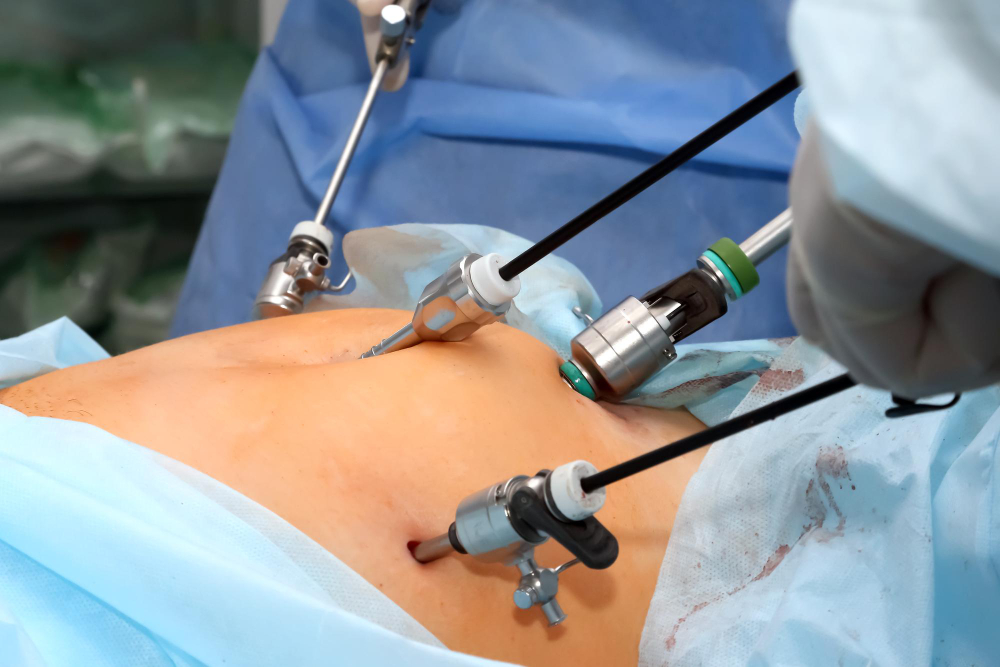
What Is Laparoscopic Cholecystectomy?
Laparoscopic cholecystectomy is a common surgery to remove the gallbladder. Doctors use small cuts and a camera to perform this minimally invasive surgery. Because of this, many people call it keyhole or minimally invasive gallbladder surgery. The gallbladder is a small organ under your liver. It stores bile, which helps digest fat. If your gallbladder causes problems, your doctor may suggest this surgery.
Why Is Laparoscopic Cholecystectomy Done?
Doctors recommend laparoscopic cholecystectomy for several reasons. Most often, it treats gallstones that cause pain or infection. Sometimes, it is needed for other gallbladder problems. Here are common reasons for this surgery:
Usually, your doctor will check your symptoms and do tests before suggesting surgery.
Step-by-Step Overview of the Procedure
Before surgery, your doctor will explain what to expect. The procedure usually follows these steps:
Most surgeries take about one to two hours. Because it uses small cuts, recovery is often faster than open surgery.
Benefits Compared to Open Surgery
Laparoscopic cholecystectomy offers many advantages over open gallbladder surgery. Here are some key benefits:
Because of these benefits, most doctors prefer this minimally invasive method when possible.
Possible Risks and Complications
Although laparoscopic cholecystectomy is safe, all surgeries have some risks. It is important to know what could happen. Possible risks include:
However, serious problems are rare. Your doctor will discuss these risks with you before surgery. The CDC and WHO both note that laparoscopic surgery is generally very safe.
Recovery Process and Aftercare
After laparoscopic cholecystectomy, most people go home the same day or the next. Recovery is usually quick. Here is what you can expect:
Because everyone heals differently, your doctor will give you specific instructions.
Tips for a Smooth Recovery
To help your body heal, follow these tips:
With these steps, most people recover well after gallbladder removal.
When to Contact Your Surgeon
Sometimes, problems can happen after surgery. Contact your surgeon right away if you notice:
Early treatment can prevent serious problems. Therefore, do not wait to ask for help if you feel unwell.
Conclusion
Laparoscopic cholecystectomy is a safe and effective way to remove the gallbladder. Because it uses small cuts, most people recover quickly and have less pain. However, every surgery has some risks. Always talk to your doctor about your options and what to expect. For personalized advice about laparoscopic cholecystectomy, consult a qualified surgeon.