Introduction
Laparoscopic colorectal surgery is a modern way to treat problems in the colon or rectum. Unlike traditional surgery, it uses small cuts and special tools. As a result, this method is called minimally invasive colorectal surgery. Many people choose it because it helps them heal faster and with less pain. In this blog, you will learn why laparoscopic colorectal surgery is better for your recovery. You will also find answers to common questions and tips for a smooth healing process.
What is Laparoscopic Colorectal Surgery?
Laparoscopic colorectal surgery is a type of operation on the colon or rectum. Instead of one large cut, the surgeon makes a few small cuts in your belly. Through these cuts, the doctor inserts a thin tube with a camera, called a laparoscope. This camera lets the doctor see inside your body on a screen. Special tools are used to remove or fix the problem area. Because the cuts are small, your body heals more quickly.
How Does It Differ from Traditional Surgery?
Traditional colon surgery, also known as open surgery, uses one large cut to reach the colon or rectum. In contrast, laparoscopic colon surgery uses several tiny cuts. Here are some key differences:
Because of these differences, many doctors now recommend laparoscopic colon surgery when possible.
Key Benefits for Recovery
Laparoscopic colorectal surgery offers many benefits for your recovery. For example, you may notice:
According to the World Health Organization (WHO) and recent medical studies, these benefits help people feel better and get back to daily life more quickly.
Common Indications for the Procedure
Doctors may suggest laparoscopic colorectal surgery for several reasons. Some common conditions include:
If you have any of these problems, your doctor may discuss the benefits of minimally invasive colorectal surgery with you.
What to Expect Before, During, and After Surgery
Before Surgery
First, your doctor will explain the procedure and answer your questions. You may need some tests, such as blood work or scans. Often, you will be asked not to eat or drink for several hours before surgery.
During Surgery
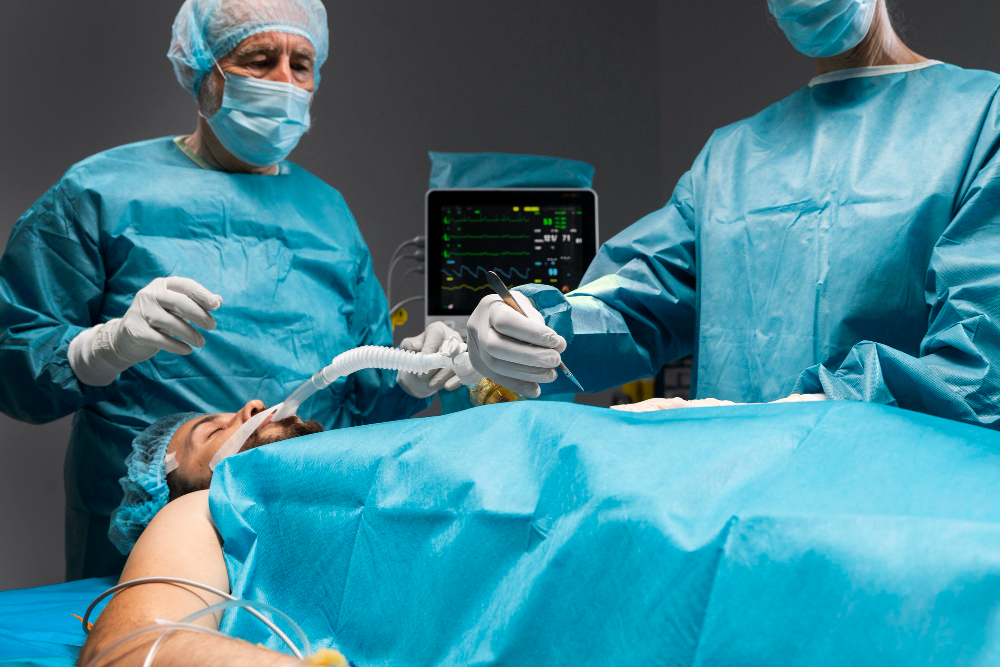
During laparoscopic colon surgery, you will be given medicine to sleep. The surgeon makes small cuts and uses a camera and tools to do the operation. The whole process usually takes a few hours.
After Surgery
After the surgery, you will wake up in a recovery room. Nurses will check your vital signs and help manage any pain. Most people can start drinking liquids soon after surgery. You may go home in two to five days, depending on your recovery.
Tips for a Smooth Recovery at Home
Once you are home, there are steps you can take to heal well. For instance:
By following these tips, you can support a faster recovery after colon surgery.
Frequently Asked Questions
Conclusion
Laparoscopic colorectal surgery offers many benefits, such as faster recovery, less pain, and smaller scars. Because it is minimally invasive, most people heal quickly and return to daily life sooner. If you need colon or rectal surgery, talk to a qualified surgeon to see if laparoscopic colorectal surgery is right for you.