
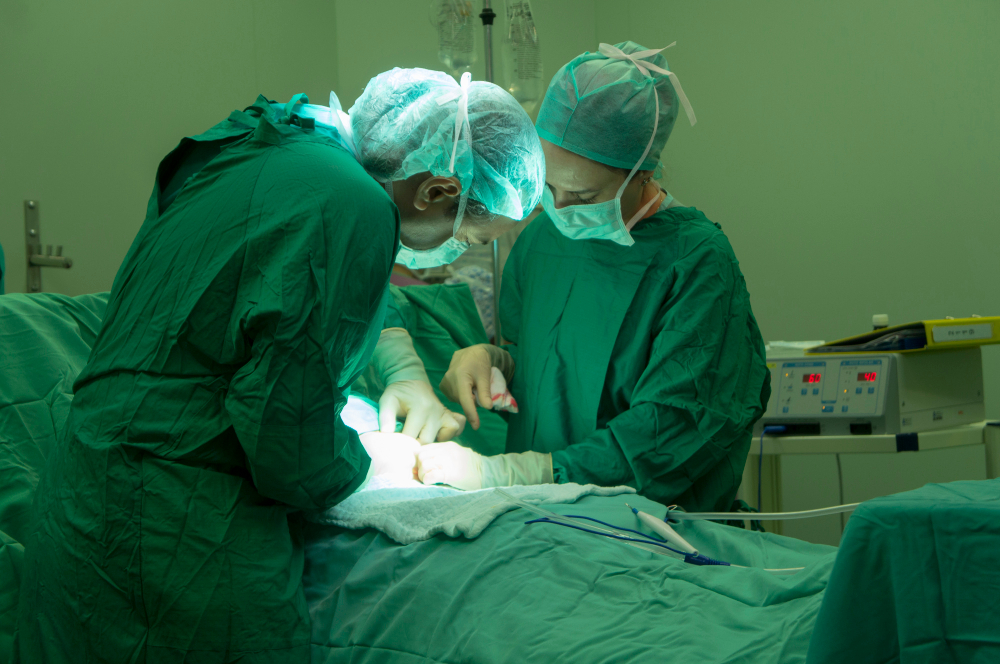
What is Laparoscopic Cholecystectomy?
Laparoscopic cholecystectomy is a type of minimally invasive gallbladder surgery. Doctors use it to remove the gallbladder through small cuts in the belly. This procedure is also called laparoscopic gallbladder removal. Most people need it because of gallstones or gallbladder disease. Unlike open surgery, this method uses tiny tools and a camera. As a result, patients often heal faster and have less pain.
Indications: Who Needs the Procedure?
Doctors may suggest laparoscopic cholecystectomy for several reasons. Usually, it is needed when the gallbladder causes problems. For example, you might need this surgery if you have:
Sometimes, people with certain health issues may not be good candidates. However, most adults can have this minimally invasive gallbladder surgery safely.
Step-by-Step Procedure Overview
First, the surgeon gives you anesthesia so you sleep during the surgery. Next, the doctor makes a few small cuts in your belly. Through these cuts, the surgeon inserts a tiny camera and special tools. The camera shows the inside of your belly on a screen. Then, the surgeon carefully removes the gallbladder. After that, the cuts are closed with stitches or surgical glue. Most surgeries take about one to two hours. Because the cuts are small, you may go home the same day.
Benefits of Laparoscopic Cholecystectomy
Laparoscopic cholecystectomy offers many advantages over open surgery. Some key benefits include:
Because of these benefits, most doctors recommend this minimally invasive approach when possible. According to the CDC, most gallbladder removals in the United States use this method.
Risks and Possible Complications
While laparoscopic cholecystectomy is safe, every surgery has risks. Some possible complications include:
However, serious problems are rare. Most people recover without major issues. Still, you should call your doctor if you notice fever, severe pain, or swelling after surgery.
Recovery and Aftercare Tips
After laparoscopic gallbladder removal, recovery is usually quick. Most people return home the same day or the next. To help your body heal, follow these tips:
Usually, people can go back to work or school within one to two weeks. However, everyone heals at their own pace. If you have questions about lap cholecystectomy recovery, ask your healthcare team.
Frequently Asked Questions (FAQs)
Consult a qualified surgeon for personalized advice on laparoscopic cholecystectomy.