What Is a Mastectomy?
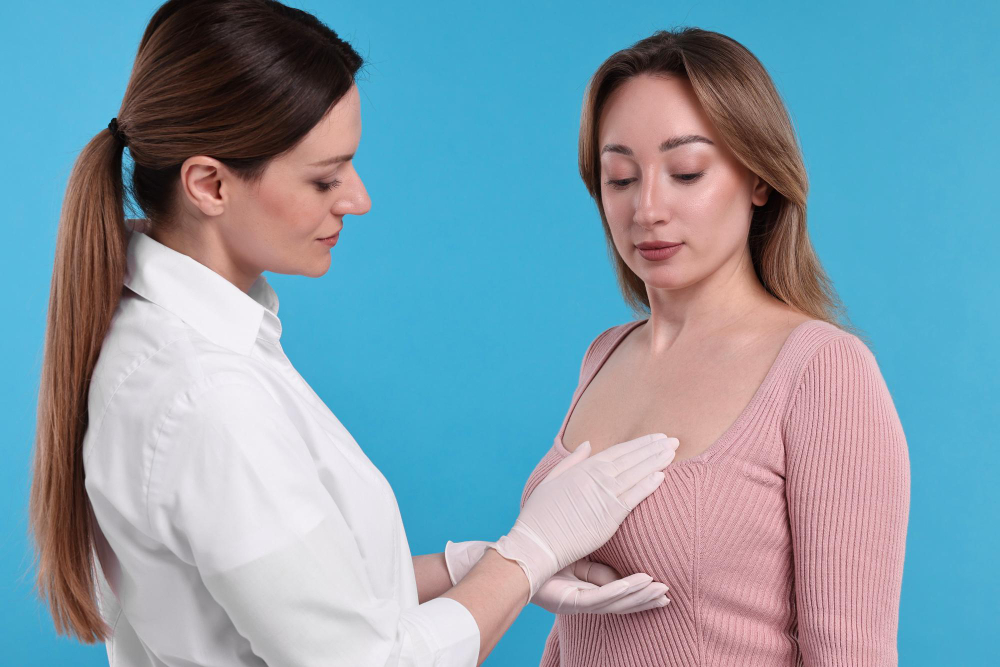
A mastectomy is a surgery to remove one or both breasts. Doctors often recommend this procedure to treat or prevent breast cancer. Sometimes, people with a high risk of breast cancer choose a mastectomy to lower their chances of getting the disease. The goal is to remove as much breast tissue as needed to keep you healthy.
Reasons for Mastectomy
There are several reasons why a doctor may suggest a mastectomy. For example, it is often used to treat breast cancer. In some cases, it can also help prevent cancer in people with a strong family history or certain gene changes. Here are common reasons:
Types of Mastectomy Procedures
There are different types of mastectomy procedures. Your doctor will help you choose the best one for your needs. Each type removes different amounts of breast tissue. Here are the main types:
What to Expect Before, During, and After Surgery
Before Surgery
Before your mastectomy, your doctor will explain the procedure. You may need blood tests or imaging. Sometimes, you will meet with a plastic surgeon if you want breast reconstruction. Your care team will give you instructions about eating, drinking, and medicines before surgery.
During Surgery
The surgery usually takes one to three hours. You will get anesthesia, so you will not feel pain. The surgeon will remove the breast tissue and, if needed, lymph nodes. If you choose reconstruction, it may happen during the same surgery or later.
After Surgery
After the procedure, you will wake up in a recovery area. Nurses will check your vital signs and help manage pain. You may have drains to remove extra fluid. Most people stay in the hospital for one or two days. However, some may go home the same day.
Mastectomy Recovery Process and Timeline
Recovery from a mastectomy takes time. Most people can return to normal activities in four to six weeks. However, everyone heals at their own pace. Here is what you can expect:
Always follow your doctor’s advice for the best recovery.
Potential Risks and Complications
Like any surgery, a mastectomy has risks. Most people recover well, but it is important to know what can happen. Possible risks include:
If you notice redness, fever, or unusual pain, contact your doctor right away.
Tips for Physical and Emotional Recovery
Recovering from a mastectomy is not just physical. It can also affect your emotions. Here are some tips to help you heal:
Remember, it is normal to feel many emotions after surgery. Support is available if you need it.
Prevention and Lifestyle Guidance
While a mastectomy can lower the risk of breast cancer, healthy habits are still important. For example, eating a balanced diet, staying active, and avoiding tobacco can help your overall health. Regular check-ups with your doctor are also key. If you have a family history of breast cancer, genetic counseling may help you understand your risk.
When to Consult a Surgeon
If you have been diagnosed with breast cancer or are at high risk, talk to a specialist. A general or transplant surgeon can explain your options. They will help you decide if a mastectomy is right for you. Early consultation leads to better planning and care.
Conclusion
A mastectomy is a major step in treating or preventing breast cancer. With the right support, most people recover well. For personalized advice about mastectomy, consult a specialist or your healthcare provider.