What is HPV and Why Is It a Concern?
Many parents worry about their child’s health. One important topic is the HPV vaccine for young girls. HPV stands for human papillomavirus. It is a common virus that spreads through skin-to-skin contact. Often, people do not know they have it because there are no signs. However, some types of HPV can cause serious health problems. For example, HPV can lead to cervical cancer and other cancers. It can also cause genital warts. Because HPV is so common, most people get it at some point. Therefore, preventing HPV early is very important.
How the HPV Vaccine Works
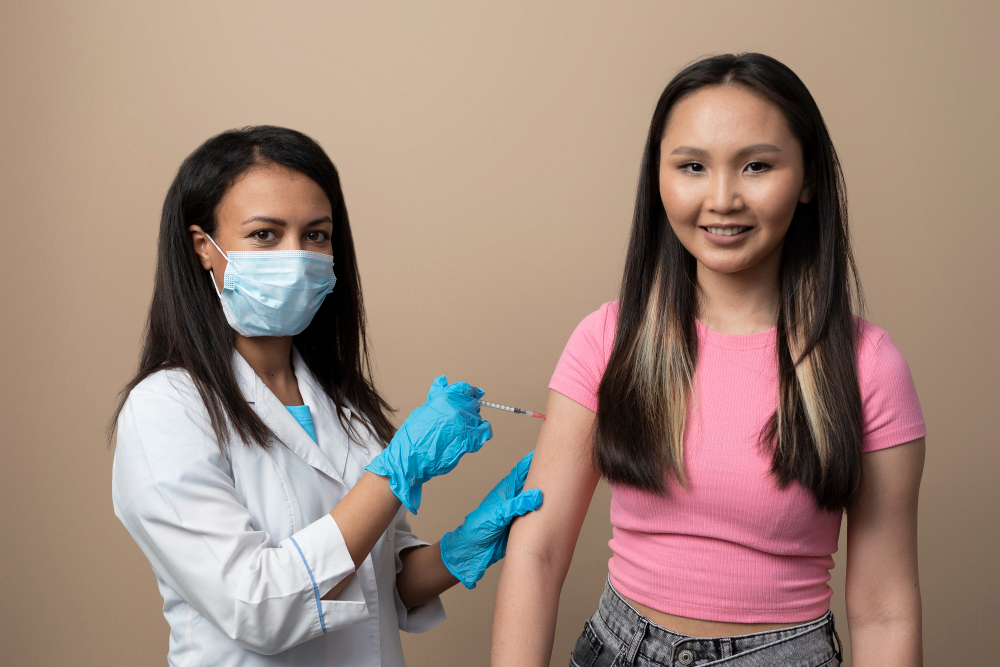
The HPV vaccine helps the body build protection against the virus. It uses tiny, harmless parts of the virus to teach the immune system. As a result, if your child comes in contact with HPV later, her body can fight it off. The vaccine does not contain live virus, so it cannot cause HPV infection. In fact, the vaccine works best before a person is exposed to HPV. That is why doctors recommend it for young girls before they become teenagers.
Key Benefits of the HPV Vaccine for Young Girls
There are many reasons why HPV vaccine is important for children. Here are some key benefits:
Because the vaccine prevents cancer, it can save lives. Also, it can lower the need for future medical treatments.
Recommended Age and Dosage Guidelines
The Centers for Disease Control and Prevention (CDC) and World Health Organization (WHO) recommend the HPV vaccine for young girls. Usually, the best age to start is 11 or 12 years old. However, it can be given as early as age 9. For most children under 15, two doses are enough. The second dose is given 6 to 12 months after the first. If the vaccine starts at age 15 or older, three doses are needed. Following the schedule gives the best protection.
Common Myths and Facts about the HPV Vaccine
Many myths about the HPV vaccine for young girls can cause worry. Let’s look at some facts:
Knowing the facts helps parents make the best choices for their children.
Safety and Side Effects
Parents often ask about vaccine safety. The HPV vaccine for young girls has been studied for many years. Most side effects are mild and go away quickly. Common side effects include:
Serious side effects are very rare. However, if you notice anything unusual, contact your doctor right away. Overall, the benefits of the vaccine far outweigh the risks.
How to Access the HPV Vaccine
Getting the HPV vaccine for young girls is simple. Most pediatricians and family doctors offer it. Some schools and community clinics also provide the vaccine. In many places, the vaccine is free or covered by insurance. To get started, call your child’s doctor or local health clinic. They can answer your questions and help you set up an appointment. Remember, starting early gives the best protection.
Frequently Asked Questions
Conclusion and Next Steps
In summary, the HPV vaccine for young girls is a safe and effective way to prevent serious diseases. It protects against cancers and other health problems caused by HPV. Because early vaccination works best, talk to your doctor soon. Protect your child’s future health. Consult your healthcare provider to learn more about the HPV vaccine and how it can protect your child.