What is Intestinal Resection?
Intestinal resection is a surgery to remove part of the small or large intestine. Doctors may perform this procedure when a section of the intestine is damaged or diseased. After removing the affected part, the healthy ends are joined together. This surgery helps restore normal digestion and can improve quality of life. Many people recover well after intestinal resection, especially with proper care.
Common Reasons for Intestinal Resection
Doctors may suggest intestinal resection for several reasons. Often, this surgery is needed when other treatments do not work. Some common causes include:
Because these conditions can be serious, early treatment is important.
Symptoms and Signs Leading to Surgery
Many people notice symptoms before needing intestinal resection. For example, you may have:
If you notice these signs, it is wise to see a doctor soon. Early care can help prevent further problems.
Diagnosis and Preoperative Evaluation
Doctors use several tests to decide if intestinal resection is needed. First, they ask about your symptoms and medical history. Then, they may order:
After these tests, your doctor will discuss the best treatment plan. Sometimes, they may suggest other treatments before surgery.
The Intestinal Resection Procedure: Step-by-Step
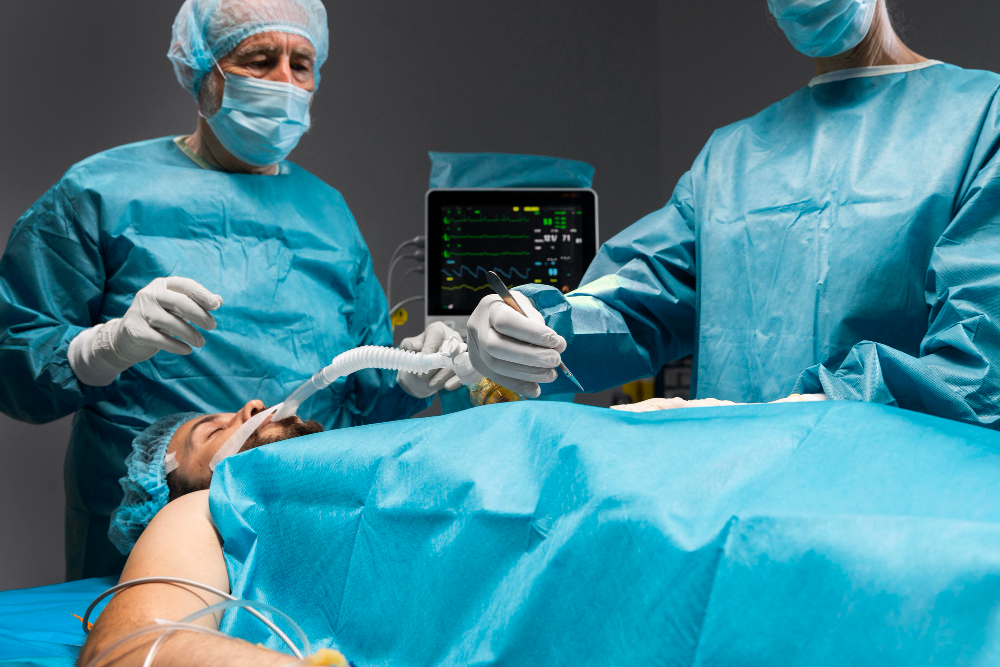
Intestinal resection is usually done in a hospital. Here is what you can expect:
Sometimes, a temporary opening called a stoma is made. This helps waste leave the body while the intestine heals.
Recovery Process and Aftercare
After intestinal resection, recovery takes time. Most people stay in the hospital for a few days. During this time, doctors watch for signs of infection or other problems. You may get fluids and nutrition through a vein at first. Soon, you will start eating soft foods again. At home, it is important to:
Because each person heals differently, talk to your doctor about your recovery plan. For more on recovery, see the CDC’s patient care guidelines.
Potential Risks and Complications
Like any surgery, intestinal resection has some risks. However, most people recover without major problems. Possible risks include:
If you notice severe pain, fever, or changes in bowel habits, contact your doctor right away. Early care can prevent serious issues.
Lifestyle Tips and Long-Term Outlook
After intestinal resection, many people return to normal life. Still, some changes may help you heal better. For example:
With good care, most people enjoy a healthy life after surgery. Regular check-ups help spot any new problems early.
Prevention and When to Consult a Doctor
While not all causes of intestinal resection can be prevented, healthy habits may lower your risk. For instance:
If you have ongoing belly pain, blood in your stool, or sudden changes in bowel habits, consult a doctor. Early action can make a big difference.
Consult a specialist for personalized guidance on intestinal resection.