What is a Pneumonectomy?
Pneumonectomy is a type of lung removal surgery. In this procedure, doctors remove one entire lung. Although this sounds serious, it can be life-saving in some cases. Usually, doctors consider pneumonectomy when other treatments are not enough. The main goal is to help patients live longer and feel better. According to the World Health Organization (WHO), this surgery is rare but important for certain lung diseases.
Key Indications for Pneumonectomy
Doctors look for specific reasons before recommending lung removal surgery. These reasons are called pneumonectomy indications. Some of the most common include:
In most cases, doctors try other treatments first. However, when these do not work, pneumonectomy may be the best choice.
Common Symptoms Leading to Pneumonectomy Evaluation
Often, people experience symptoms that prompt doctors to consider lung removal surgery. Some common signs include:
Because these symptoms can have many causes, it is important to see a doctor for proper testing. Early evaluation can help find the best treatment.
How Doctors Diagnose the Need for Pneumonectomy
Doctors use several steps to decide if pneumonectomy is needed. First, they take a detailed medical history. Next, they perform a physical exam. After that, they may order tests such as:
With these results, doctors can decide if lung removal surgery is the safest and most effective option.
Treatment Options and Surgical Considerations
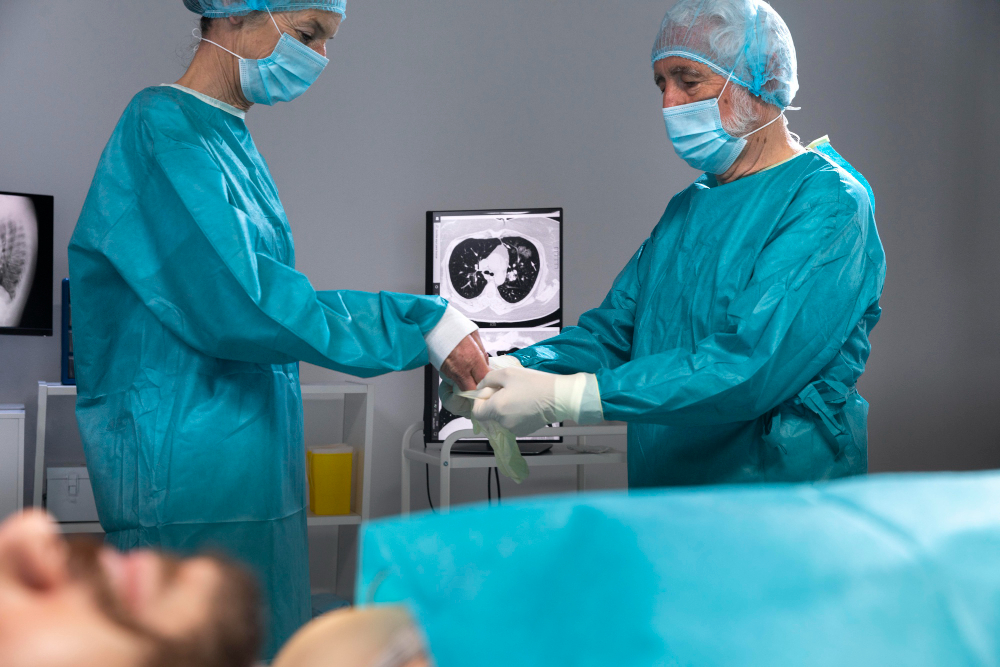
Before choosing pneumonectomy, doctors review all possible treatments. Sometimes, smaller surgeries or medicines can help. However, if the disease is widespread, lung removal may be necessary. During the surgery, doctors remove one lung through a cut in the chest. The patient is under general anesthesia, so they do not feel pain.
After surgery, patients stay in the hospital for several days. Doctors watch for problems like infection or bleeding. Recovery can take weeks or months, depending on the person’s health. According to the CDC, careful planning and follow-up care help improve outcomes.
Recovery and Lifestyle After Pneumonectomy
Life after lung removal surgery can be different, but many people adjust well. With only one lung, breathing may feel harder at first. However, the body adapts over time. To help recovery, doctors often suggest:
Most people can return to daily activities, but they may need to avoid very hard exercise. It is important to follow the doctor’s advice for the best results.
Prevention and Early Detection Tips
While not all lung problems can be prevented, some steps can lower the risk. For example, you can:
Early detection of lung problems can lead to better treatment options. Therefore, do not ignore symptoms that last more than a few weeks.
Consult a specialist for personalized guidance on pneumonectomy indications and treatment options.