
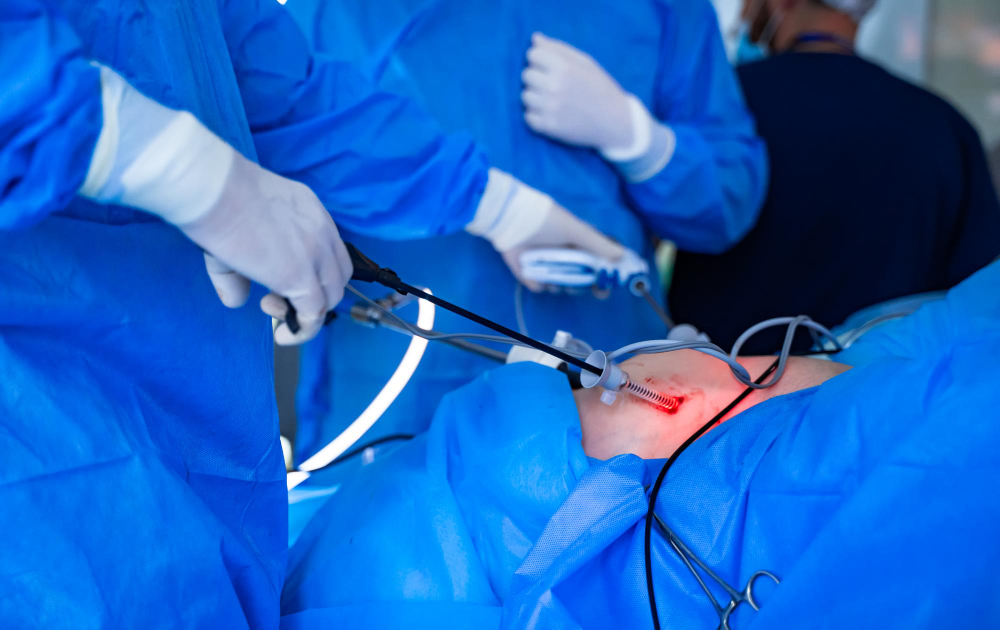
What Is Laparoscopic Hernia Repair?
Laparoscopic hernia repair is a modern, minimally invasive surgery. Doctors use it to fix hernias, which are weak spots or holes in the muscle wall. Through small cuts, surgeons use special tools and a camera to repair the hernia. This method is also called minimally invasive hernia surgery. Many people choose it because it often means less pain and a faster recovery. If you search for “laparoscopic hernia repair near me,” you may find local hospitals offering this advanced option.
Symptoms and Diagnosis of Hernias
Hernias can cause a range of symptoms. Sometimes, you may notice a bulge under your skin. Other times, you might feel pain, especially when lifting or bending. However, not all hernias hurt. Common symptoms include:
Doctors diagnose hernias by asking about your symptoms and doing a physical exam. Sometimes, they may use ultrasound or other scans to confirm the diagnosis. Early diagnosis helps prevent complications.
How the Laparoscopic Procedure Works
First, the surgeon makes a few small cuts in your belly. Next, they insert a thin tube with a camera, called a laparoscope. This tool lets the doctor see inside your body on a screen. Then, special tools are used to push the bulging tissue back into place. After that, the surgeon covers the weak spot with a mesh patch. This mesh helps strengthen the area and lowers the chance of the hernia coming back. Finally, the small cuts are closed with stitches or glue. Most people go home the same day or the next.
Benefits of Laparoscopic Hernia Repair
Laparoscopic hernia repair offers many advantages over open surgery. For example, it usually means:
Because of these benefits, many people prefer this minimally invasive approach. According to the CDC, minimally invasive surgeries often lead to quicker recoveries and fewer problems.
Risks and Possible Complications
Like any surgery, laparoscopic hernia repair has some risks. However, most people do well. Possible complications include:
Although these risks are rare, it is important to discuss them with your surgeon. The World Health Organization (WHO) recommends choosing a skilled surgeon to lower these risks.
Recovery and Aftercare Tips
After laparoscopic hernia repair, most people recover quickly. Still, you should follow your doctor’s advice for the best results. Here are some helpful tips:
Most people can return to work and normal life within one to two weeks. However, everyone heals at their own pace. Always check with your doctor before resuming exercise or heavy work.
Prevention and Lifestyle Guidance
While not all hernias can be prevented, you can lower your risk. For instance, you can:
By making these changes, you help protect your body and lower the chance of hernias returning.
In summary, laparoscopic hernia repair is a safe and effective way to fix hernias. It offers many benefits, such as less pain and faster recovery. However, it is important to understand the risks and follow your doctor’s advice. Consult a qualified surgeon to discuss if laparoscopic hernia repair is right for you.