What is Acute Cholecystitis?
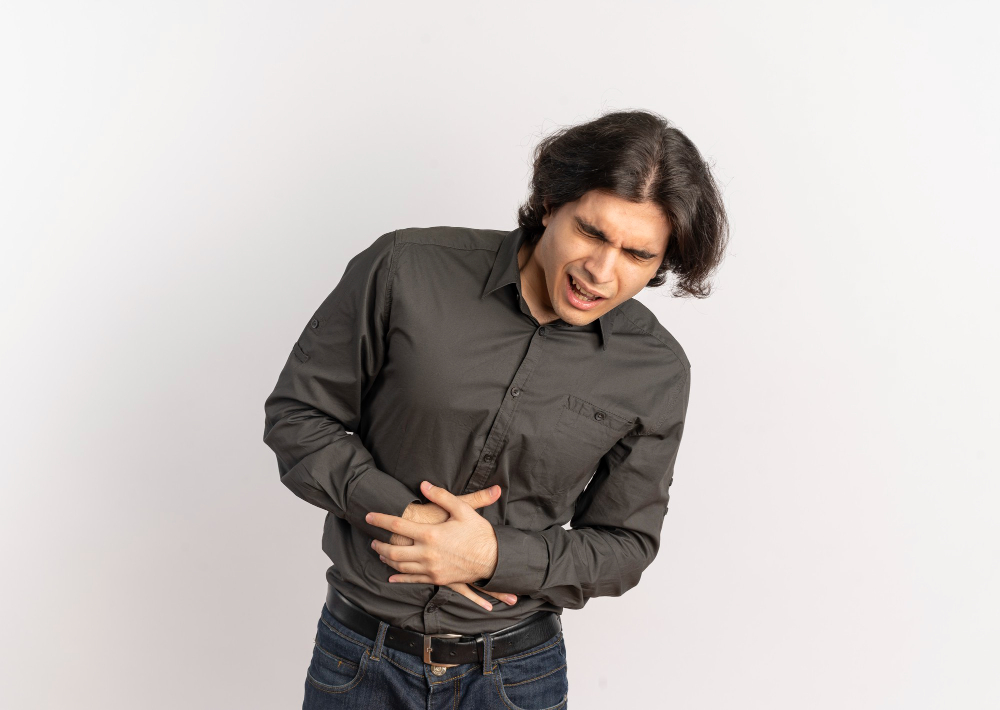
Acute cholecystitis is a sudden inflammation of the gallbladder. The gallbladder is a small organ under your liver. It stores bile, which helps digest fat. When the gallbladder becomes inflamed, it can cause severe pain. Often, this condition is called an acute gallbladder attack. Many people need quick treatment for acute cholecystitis to avoid serious problems. According to the CDC, gallbladder inflammation is a common reason for emergency care. Early diagnosis and treatment are important for a full recovery.
Causes and Risk Factors
Most cases of acute cholecystitis happen when a gallstone blocks the bile duct. This blockage causes bile to build up, which leads to inflammation. However, other causes can also trigger this condition. Knowing the risk factors can help you stay alert.
For example, people with diabetes or those who are overweight have a higher risk. But anyone can develop acute cholecystitis.
Common Symptoms
Acute cholecystitis symptoms often appear suddenly. Early signs may seem mild, but they can get worse quickly. If you notice these symptoms, seek medical help right away.
Sometimes, the pain starts after eating a fatty meal. But not everyone will have all these symptoms.
How Acute Cholecystitis is Diagnosed
Doctors use several steps to diagnose acute cholecystitis. First, they ask about your symptoms and medical history. Next, they perform a physical exam. Often, they will press on your belly to check for pain. Then, they may order tests to confirm the diagnosis.
Early diagnosis helps prevent complications. According to the WHO, prompt testing leads to better outcomes.
Treatment Options
Treatment for acute cholecystitis depends on how severe the condition is. In most cases, hospital care is needed. Doctors aim to reduce inflammation and prevent infection. Here are the main treatment steps:
Sometimes, doctors drain the gallbladder if surgery is not safe right away. Most people recover well after treatment. However, quick care is key to avoid serious problems.
Prevention Tips and Lifestyle Guidance
While you cannot prevent all cases, healthy habits can lower your risk. Making small changes can protect your gallbladder and overall health.
Additionally, regular check-ups can help catch problems early. If you have a family history of gallbladder disease, talk to your doctor about your risk.
When to See a Doctor
If you have sudden, severe belly pain, do not wait. Seek medical help right away. Also, see a doctor if you notice:
Early treatment can prevent serious complications, such as infection or a burst gallbladder.
If you suspect acute cholecystitis, consult a specialist for personalized guidance. Quick action can protect your health and well-being.