What Are Laser Piles?
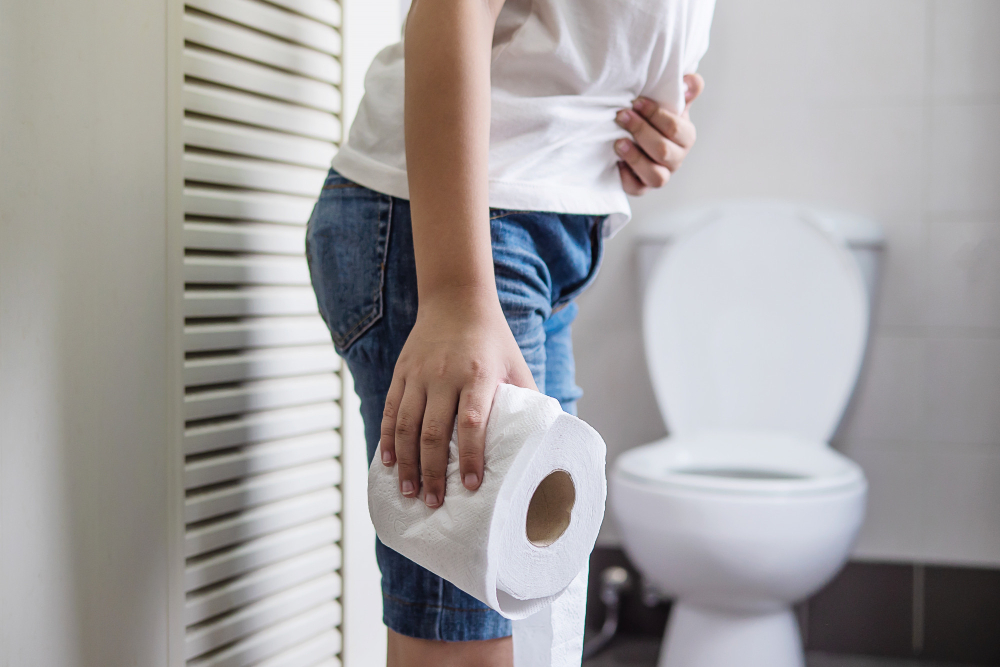
Piles, also called hemorrhoids, are swollen veins in the lower part of the rectum or anus. Laser piles refer to piles that are treated using a laser. This modern method uses focused light to shrink or remove the swollen veins. Many people choose laser piles treatment because it is less painful and has a quicker recovery than traditional surgery. Understanding laser piles can help you make informed choices about your health.
Common Symptoms of Laser Piles
Piles can cause several uncomfortable symptoms. However, not everyone will have the same signs. If you notice any of the following, you may need to see a doctor:
Sometimes, these symptoms can be mild. But if they last more than a week, it is important to seek medical advice.
Causes and Risk Factors
Several things can lead to piles. For example, straining during bowel movements is a common cause. Other risk factors include:
As you can see, lifestyle and diet play a big role. Making small changes can help lower your risk.
Diagnosis: How Laser Piles Are Identified
Doctors use simple steps to diagnose piles. First, they ask about your symptoms and medical history. Then, they may do a physical exam. Sometimes, a gentle look inside the anus with a small tool is needed. In rare cases, further tests like a colonoscopy may be suggested. Early diagnosis helps you get the right treatment quickly.
Laser Treatment for Piles: Procedure and Benefits
Laser surgery for piles is a safe and advanced method. During the procedure, a doctor uses a laser beam to shrink or remove the swollen veins. The treatment usually takes less than 30 minutes. Most people feel little pain during and after the procedure. Here are some key benefits of laser piles treatment:
Many clinics now offer laser piles treatment in major cities. Always choose a center with experienced doctors for the best results.
Recovery and Aftercare Tips
After laser piles treatment, most people can go home the same day. Recovery is usually quick, but you should follow your doctor’s advice. Here are some helpful tips:
If you notice heavy bleeding, fever, or severe pain, contact your doctor right away. Most people return to normal activities within a week.
Prevention and Lifestyle Guidance
Preventing piles is possible with a few simple steps. For instance, eating more fiber helps keep your stools soft. Here are some ways to lower your risk:
By making these changes, you can help prevent piles from coming back after treatment.
Frequently Asked Questions About Laser Piles
If you have more questions, talk to your doctor for clear answers.
Consult a specialist for personalized guidance on laser piles treatment.