
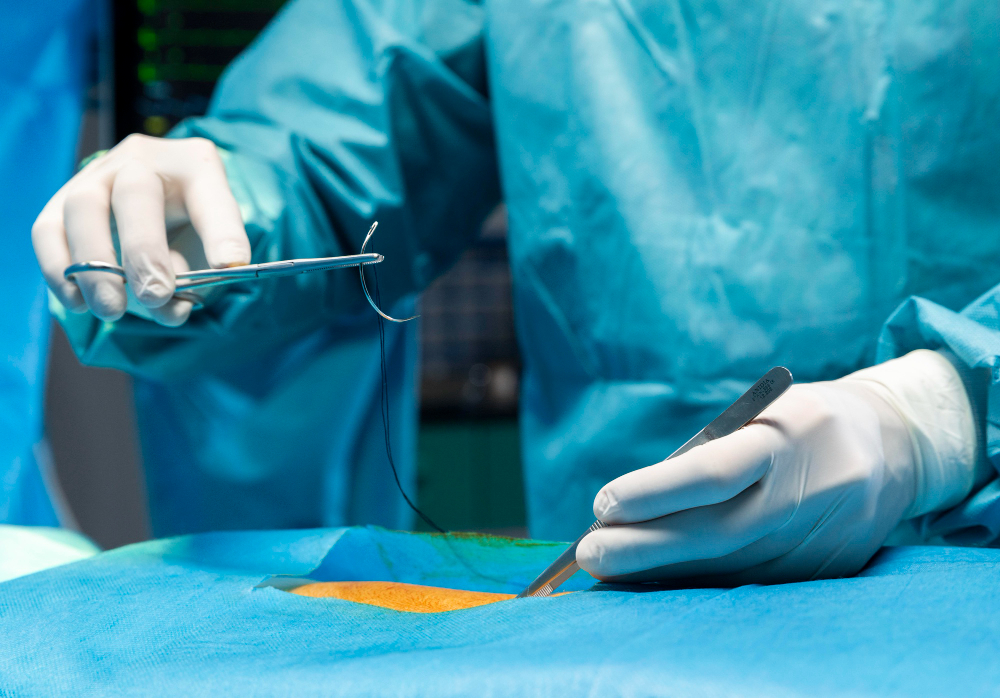
What is an Appendectomy?
An appendectomy is a surgery to remove the appendix. The appendix is a small, tube-shaped organ in your lower right belly. Doctors often perform this surgery when the appendix becomes inflamed or infected. This condition is called appendicitis. Without quick treatment, appendicitis can cause serious health problems. For this reason, appendectomy is a common emergency surgery worldwide.
Symptoms Indicating the Need for an Appendectomy
Appendicitis can cause several symptoms. Early treatment is important. Therefore, knowing the signs can help you seek care quickly. Common symptoms include:
If you notice these symptoms, especially belly pain that gets worse, you should see a doctor right away.
Causes of Appendicitis
Appendicitis happens when the appendix gets blocked. This blockage can be due to:
Because the blockage traps bacteria, the appendix can swell and fill with pus. This leads to pain and infection. If not treated, the appendix can burst, which is dangerous.
Diagnosis Process
Doctors use several steps to diagnose appendicitis. First, they ask about your symptoms and check your belly. Next, they may order tests, such as:
With these tests, doctors can confirm if you need an appendectomy. Quick diagnosis helps prevent complications.
The Appendectomy Procedure: What to Expect
Doctors can perform an appendectomy in two main ways. Both methods are safe and effective. The choice depends on your health and the doctor’s advice.
During the surgery, you will get anesthesia, so you will not feel pain. The procedure usually takes less than an hour.
Recovery and Aftercare
After an appendectomy, most people recover quickly. However, recovery time can vary. Here’s what you can expect:
Because rest is important, avoid heavy lifting until your doctor says it’s safe. For more tips, ask your healthcare team about appendectomy recovery.
Risks and Complications
Like any surgery, appendectomy has some risks. Most people recover without problems. Still, it’s good to know possible risks:
If you notice swelling, pain, or fever after surgery, contact your doctor. Early care can prevent serious issues. According to the CDC, these risks are rare but possible.
Prevention and Lifestyle Tips
There is no sure way to prevent appendicitis. However, some healthy habits may help:
Although these tips may not prevent all cases, they support overall digestive health.
When to Consult a Surgeon
If you have sudden belly pain, especially in the lower right side, do not wait. Seek medical help right away. Quick action can prevent serious problems. If your doctor suggests an appendectomy, ask about the procedure, recovery, and risks. This way, you can feel prepared and confident about your care.
For more information, visit trusted sources like the CDC or WHO. Consult a specialist for personalized guidance about appendectomy or if you experience symptoms of appendicitis.